FEM 10.2.19 — The Design Code Written Specifically for Shuttle Racking
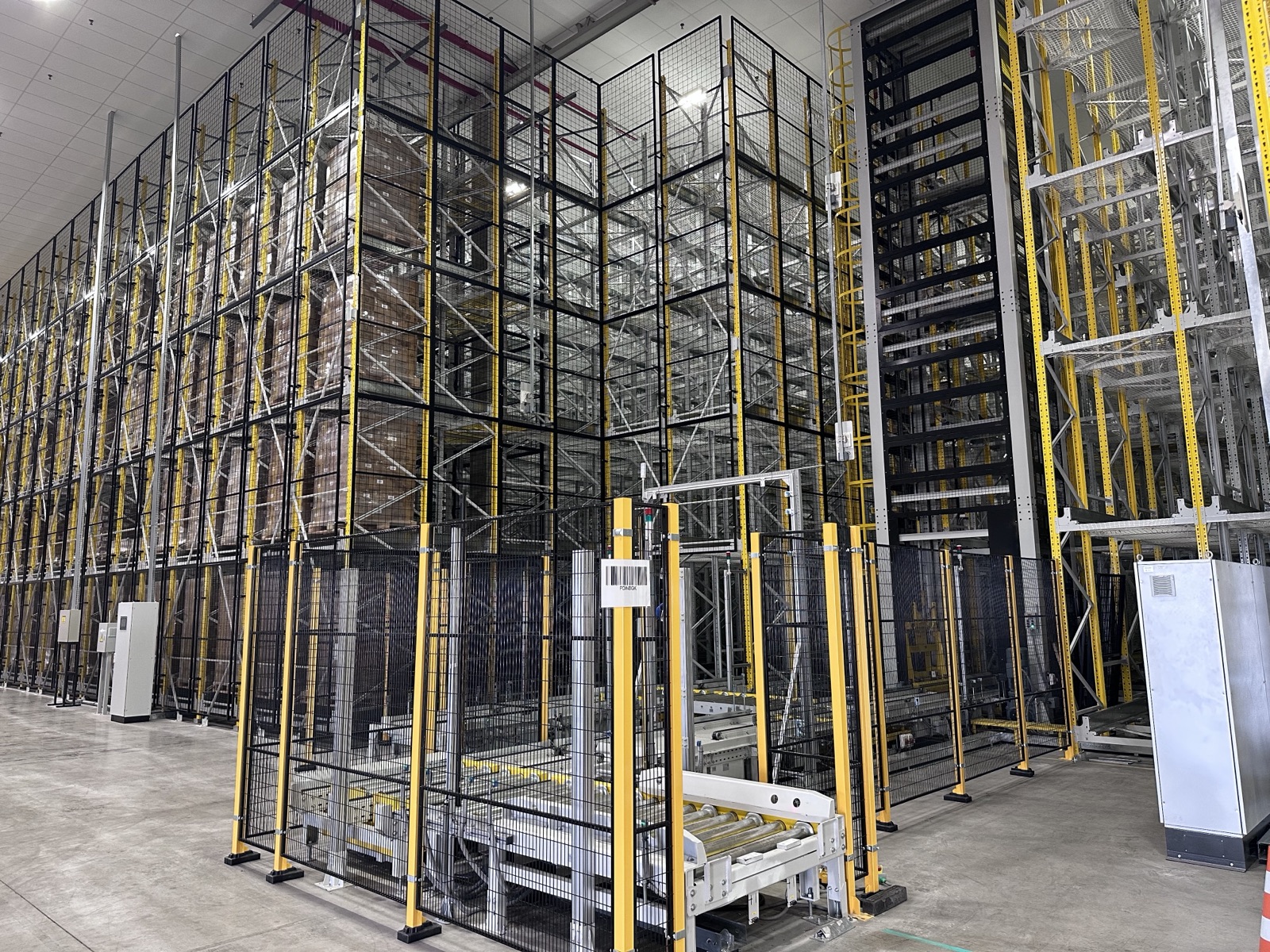
Why shuttle racking needed its own code
A shuttle car is a machine that lives inside the rack. It accelerates, brakes and carries pallets along lane rails thousands of times per day, imposing dynamic loads, repeated stress cycles and alignment demands that static racking design never anticipated. FEM 10.2.19 provides the dedicated design methodology for racking serving shuttle and aisle-carrier systems, used in conjunction with EN 15512.
The code covers what generic racking standards do not: lane-rail design and continuity, deformation limits under moving loads, fatigue verification based on the number of load cycles, recommended lane clearances, and system tolerances for shuttle operation.
The interface problem — and why buyers should care
FEM 10.2.19 explicitly defines the data that must flow between the shuttle supplier and the rack supplier: rail profiles, tolerances, load cycles, clearances. A shuttle system where rack and robot were designed in isolation is a system that faults at full speed — usually after commissioning, when fixing it is most expensive.
This is why JISE engineers four-way shuttle structures from the shuttle supplier's interface drawings, and why our delivered shuttle projects — up to 32 m high-bay in Thailand — are calculated under FEM 10.2.19 with project-specific documentation.
Questions to ask any shuttle racking supplier
Ask three questions: Which design code governs the structure? (The answer should name FEM 10.2.19 or an equivalent project-specific methodology.) What lane-rail tolerances do you guarantee, and how are they verified on site? And: who owns the rack–shuttle interface — is there documented data exchange with your shuttle supplier?
A supplier who cannot answer all three is selling you steel and hoping the robots forgive it.
More from the standards library.
Get a project quotation within 48 hours.
Send us your warehouse dimensions, pallet spec and target location count — our engineers reply with a layout proposal and budgetary price.