The standards behind every serious quote.
Racking is structural engineering. These are the codes that decide whether your system passes audit, insurance and time.
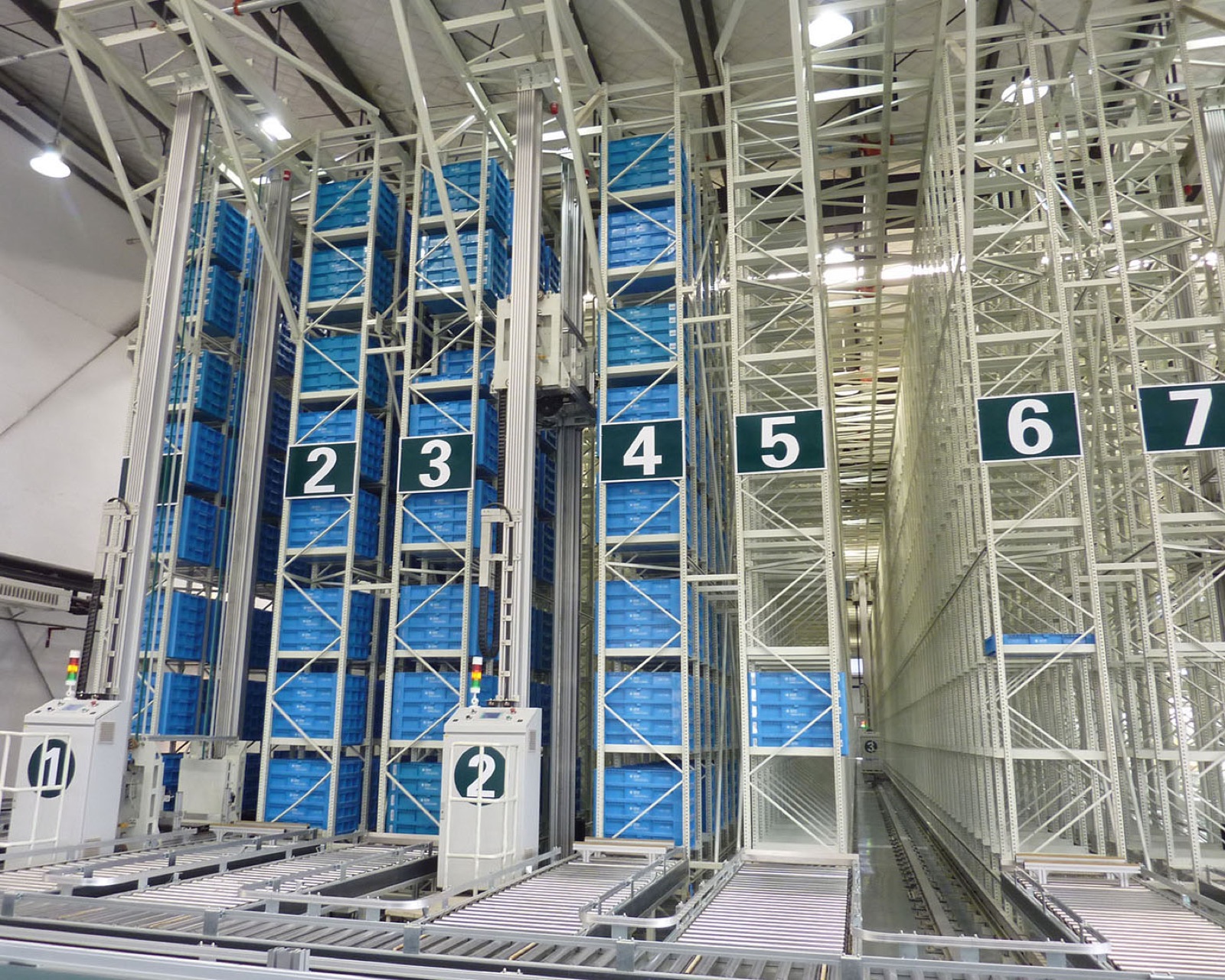
AS 4084:2023 — The Australian Steel Storage Racking Standard, Explained for Buyers
What AS 4084.1:2023 (design) and AS 4084.2:2023 (operation) require, what changed from the 2012 edition, and how to verify AS 4084 steel storage racking compliance before you buy.
Read guide →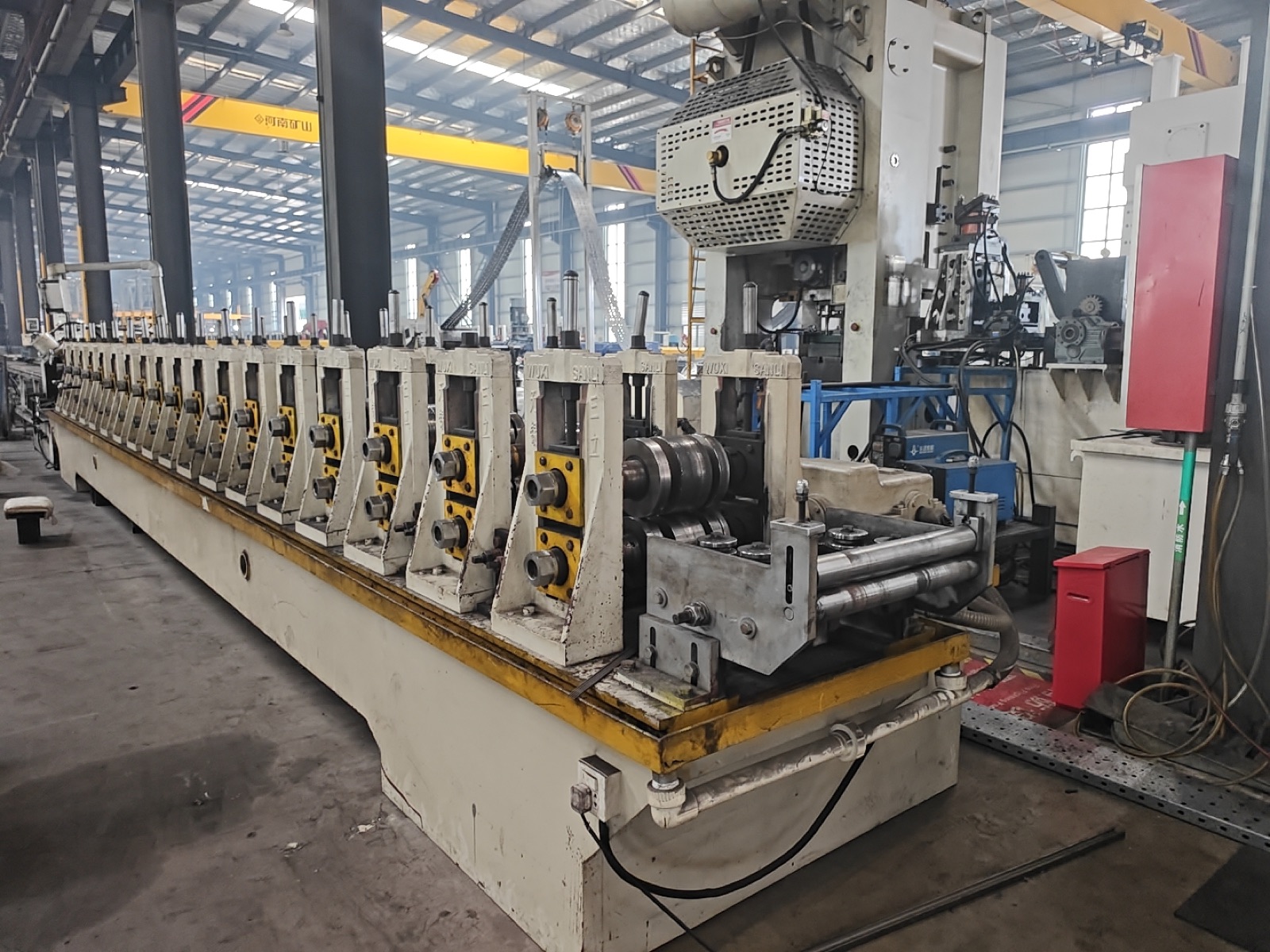
What Is FEM 10.2.02? Racking Design Rules Explained (2026)
FEM 10.2.02 decoded: the loads, safety factors, deflection limits and testing behind every compliant racking quote — and how to verify a supplier follows it.
Read guide →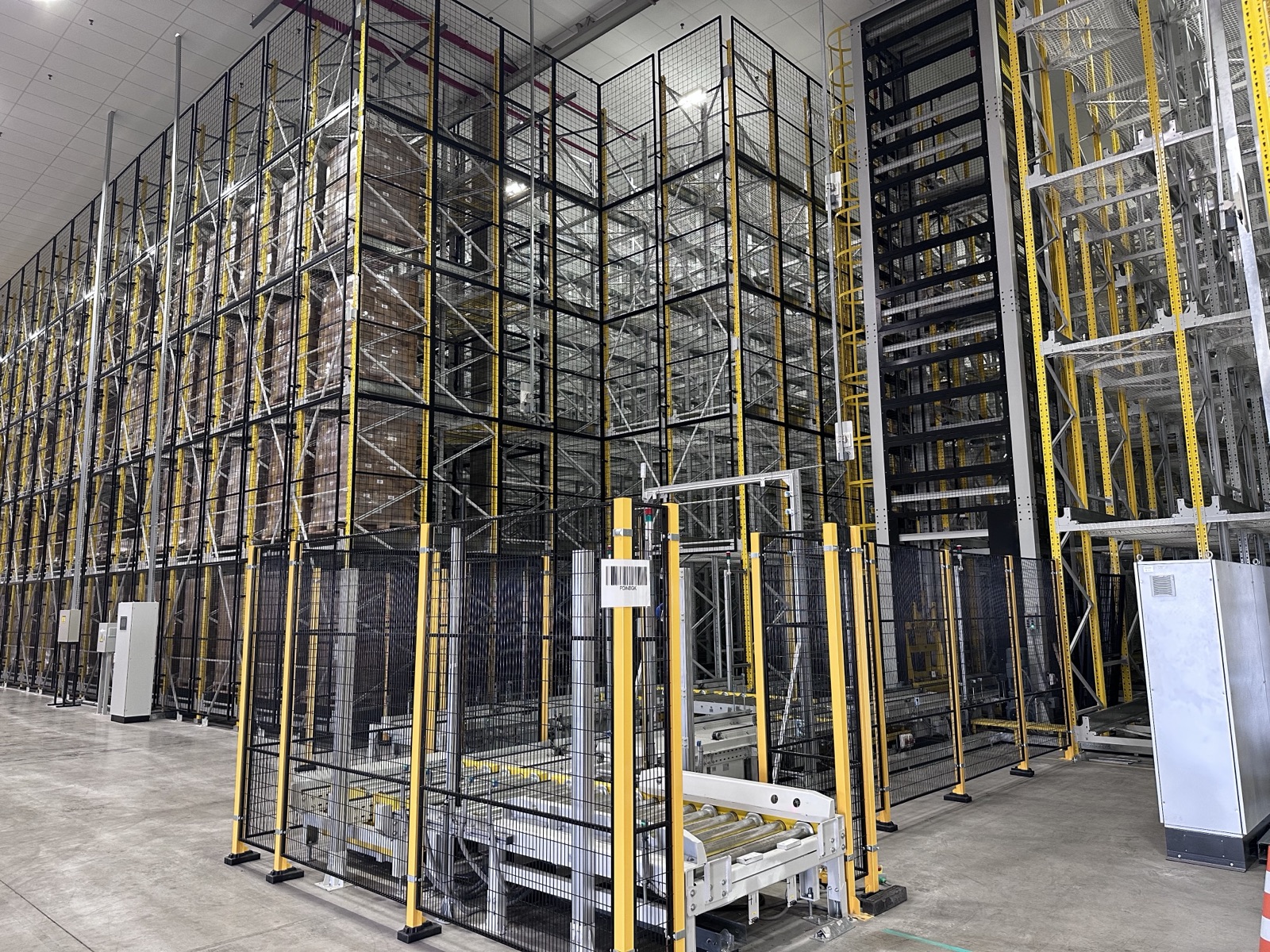
FEM 10.2.19 — The Design Code Written Specifically for Shuttle Racking
Shuttle systems impose loads and tolerances conventional racking never sees. FEM 10.2.19 is the dedicated design methodology — lane rails, fatigue cycles, tolerances and shuttle interface data.
Read guide →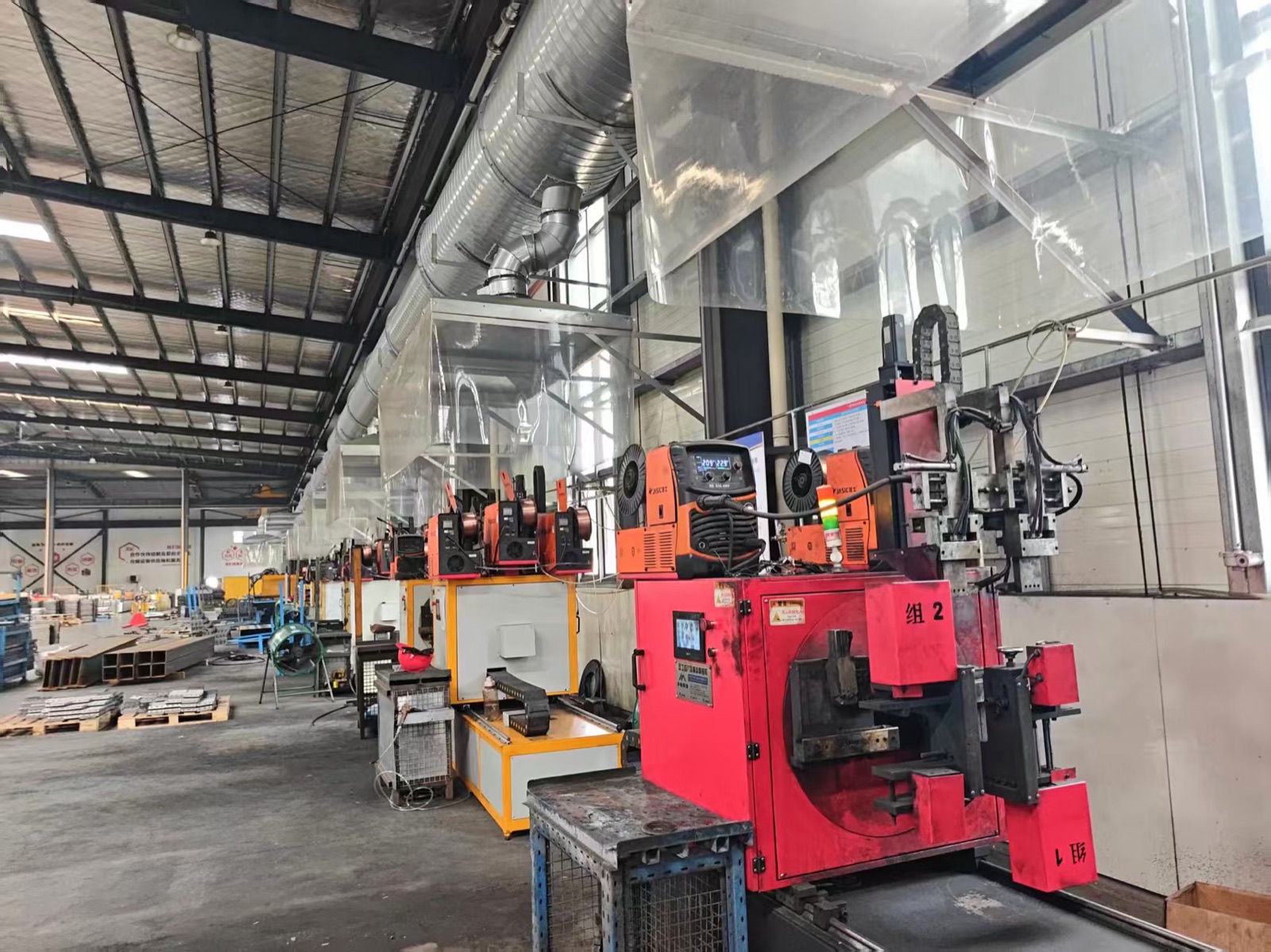
EN 15512 — How Racking Load Capacity Is Actually Determined
Design by calculation alone is not accepted for racking. EN 15512 defines the test-and-calculation regime behind every credible load table: component tests, connection tests and how to read a load chart.
Read guide →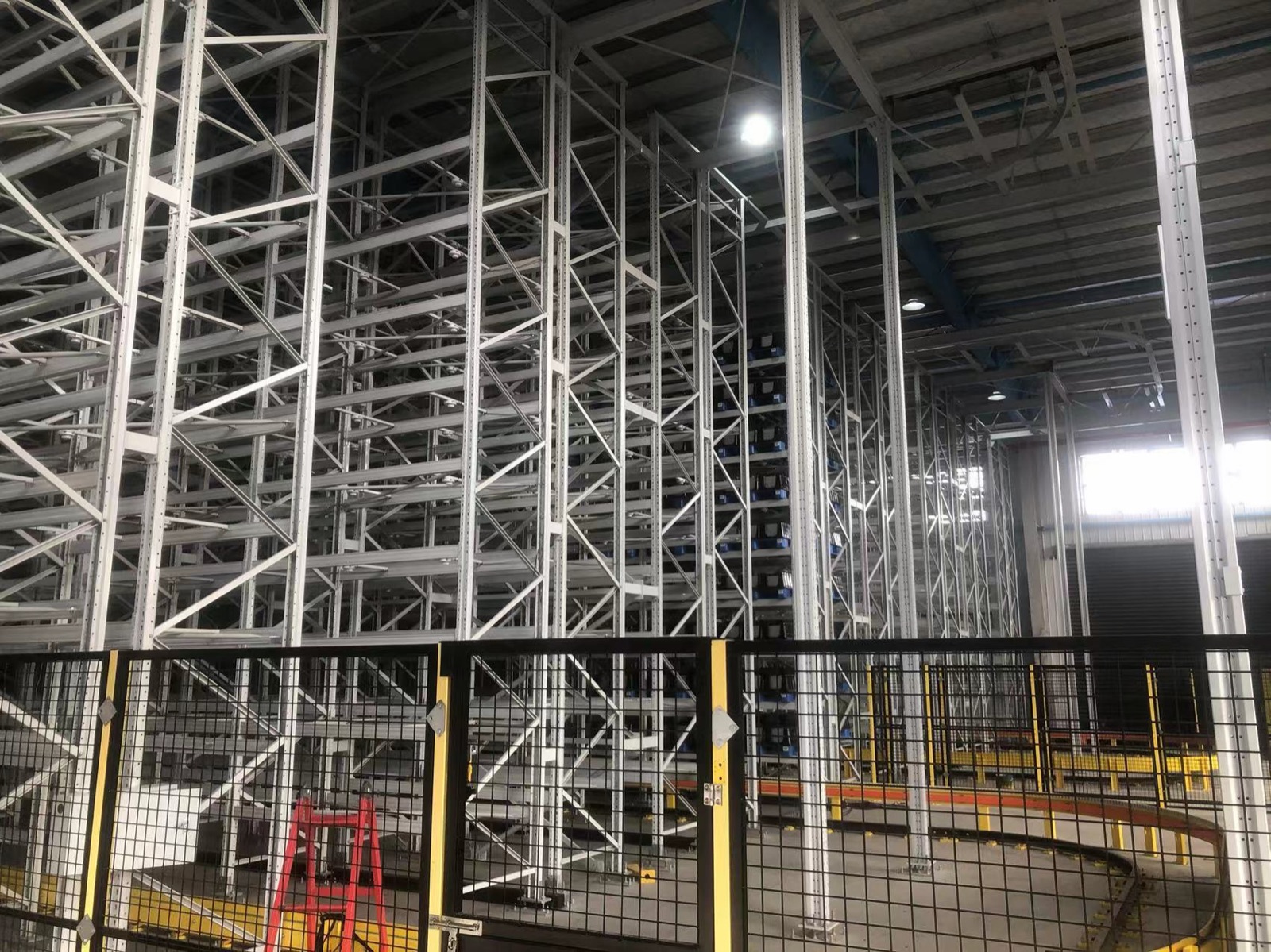
Seismic Racking Design — What Changes When Your Warehouse Is in an Earthquake Zone
Japan, New Zealand, Chile, Mexico, the Philippines: seismic design changes racking loads, anchors, bracing and documentation. What buyers in seismic zones must specify.
Read guide →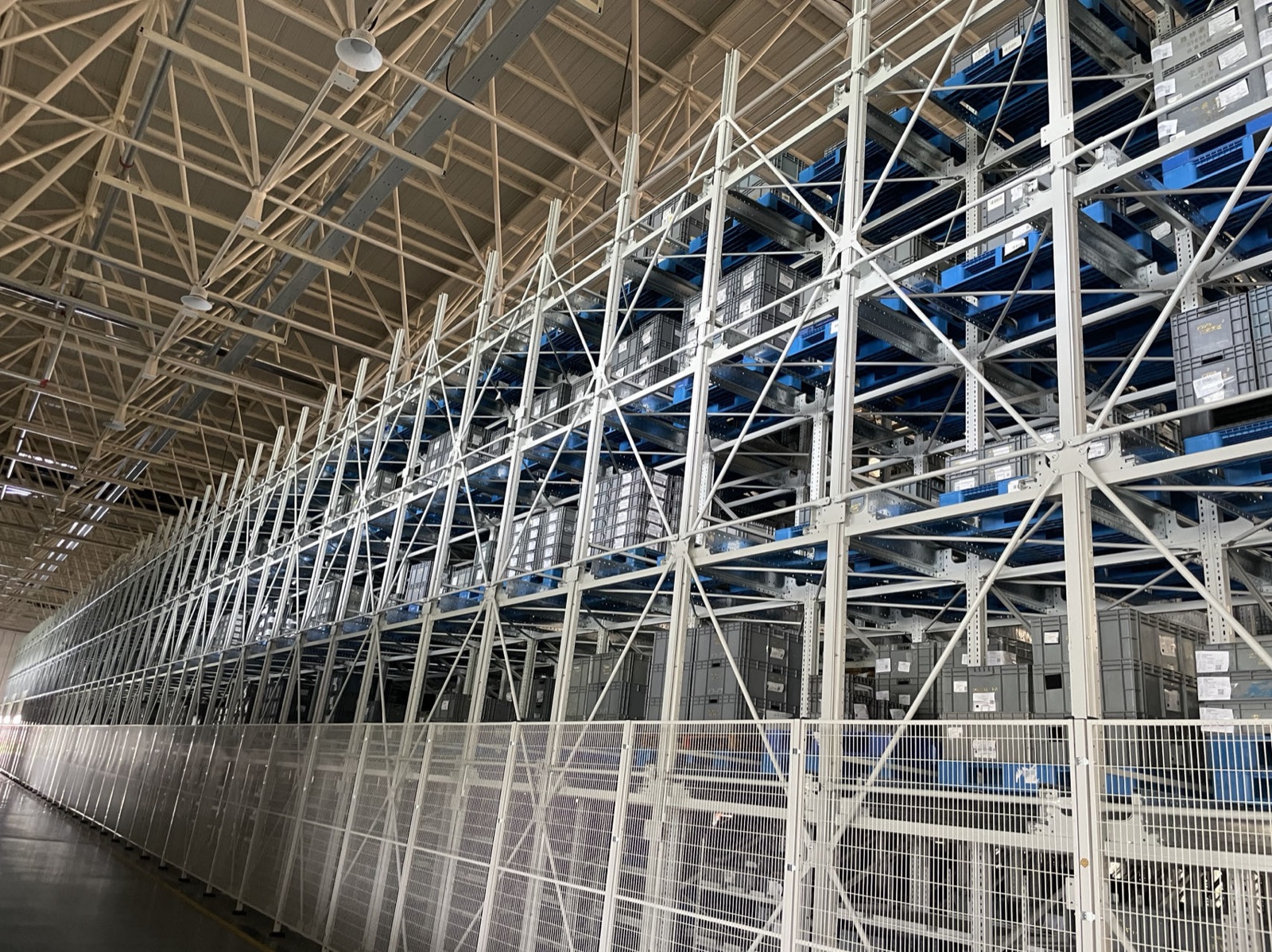
AS 4084 vs EN 15512 vs RMI MH16.1 — Which Racking Standard Governs Your Project?
The three racking design codes compared: AS 4084 (Australia), EN 15512 / FEM 10.2.02 (Europe & most of Asia, Middle East) and ANSI/RMI MH16.1 (North America) — design philosophy, testing basis, operational obligations, and what to demand from a supplier for each.
Read guide →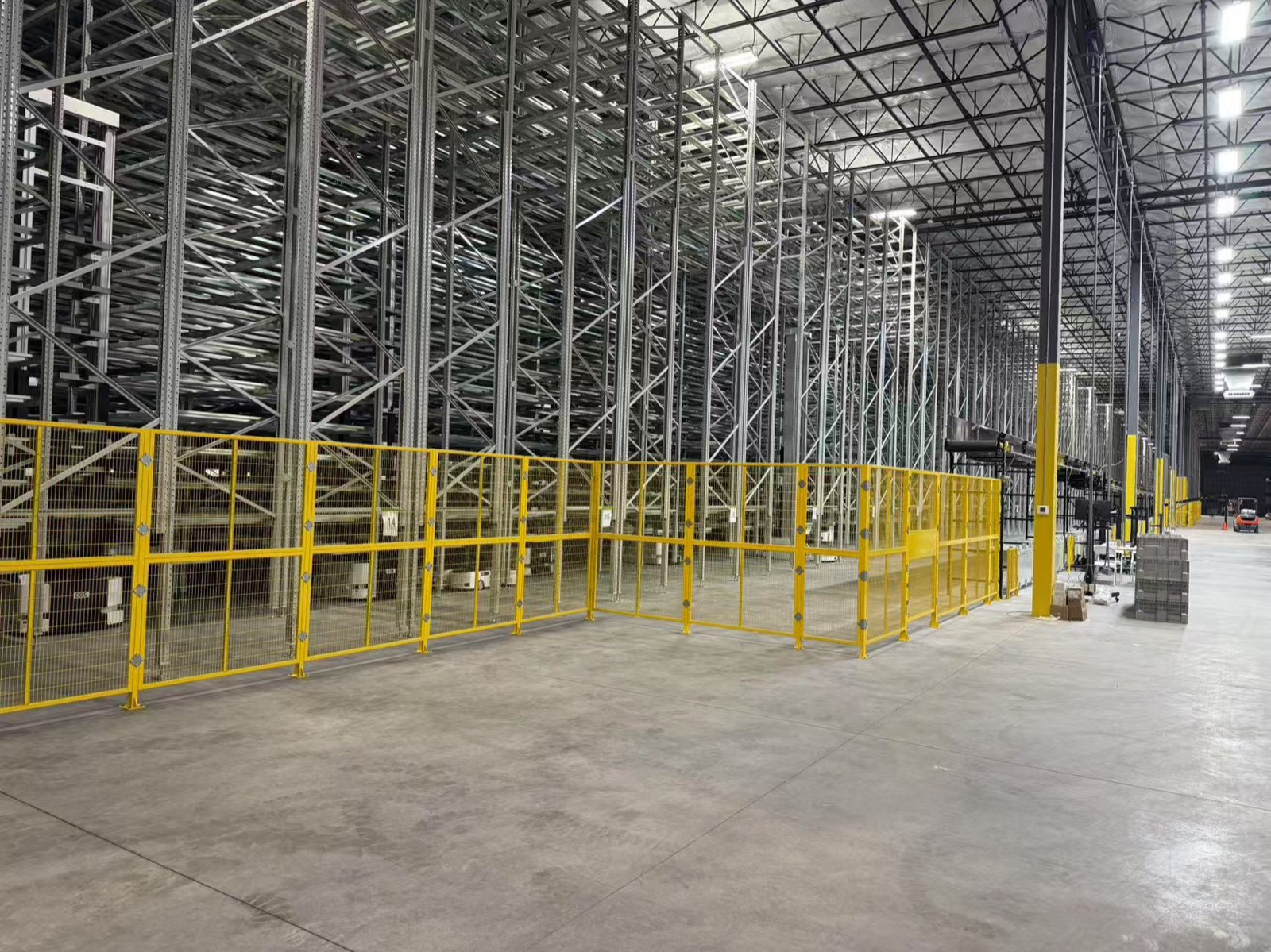
FEM 9.832 — Tolerances, Deformations and Clearances in Automatic Small Parts Warehouses, Explained
FEM 9.832 is the calculation basis that keeps miniload stacker cranes and racking aligned to millimetre level. What the document requires, how it differs from FEM 9.831-1, and what to demand from a small parts warehouse racking supplier.
Read guide →
FEM 9.831-1 — Tolerances, Deformations and Clearances in Pallet High-Bay Warehouses, Explained
FEM 9.831-1 is the calculation basis that keeps stacker cranes and pallet racking aligned in high-bay AS/RS. What the document requires, how the error budget works, and what to demand from a high-bay racking supplier.
Read guide →Get a project quotation within 48 hours.
Send us your warehouse dimensions, pallet spec and target location count — our engineers reply with a layout proposal and budgetary price.