Seismic Racking Design — What Changes When Your Warehouse Is in an Earthquake Zone
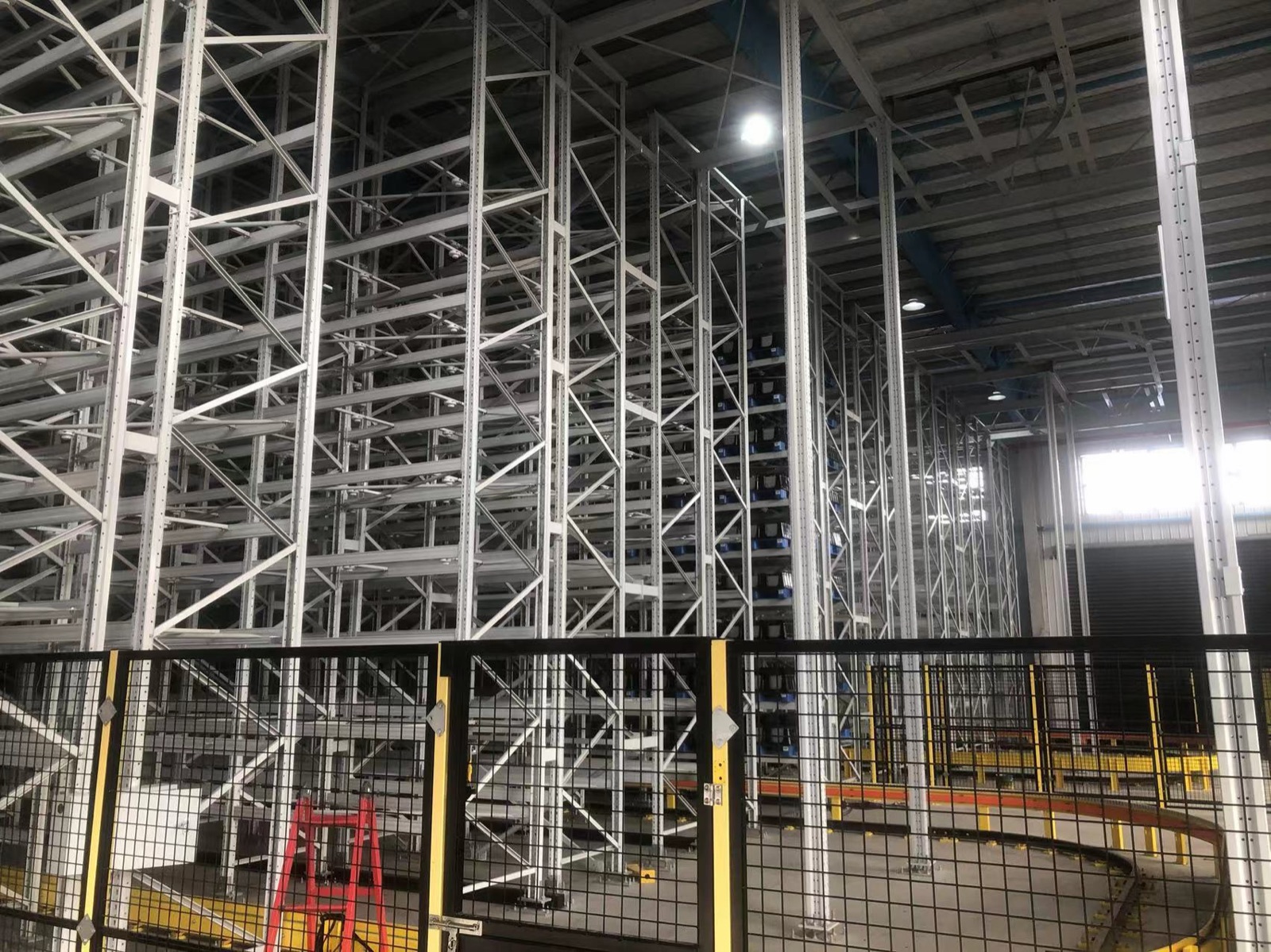
Seismic action is a design input, not an afterthought
In an earthquake, a loaded rack is a pendulum carrying thousands of kilograms at height. Seismic design adds horizontal and vertical actions to the load combinations, and changes almost every structural decision: stronger base plates and anchors, revised bracing layouts, checked beam-connector behavior under cyclic loading, and drift limits that keep frames from impacting building structures.
The input data is site-specific — seismic zone, soil class, building interaction — which is why legitimate seismic racking is always a project-specific engineering exercise, never a catalog option.
Markets where this is non-negotiable
Japan, New Zealand, Chile, Peru, Mexico, the Philippines and parts of Southeast Asia all enforce seismic provisions for storage equipment, through building codes, insurance requirements or both. In Japan — one of JISE's strongest delivery markets — seismic documentation is a standard part of project approval.
JISE issues project-specific seismic calculations and stamped FEA reports in the official language of the project location, covering the local code basis required by the authority having jurisdiction.
What to put in your RFQ
Three lines in your RFQ change everything: the project address (for seismic zone and soil classification), the applicable building code or authority, and a requirement for stamped project-specific calculations. Suppliers with real seismic capability will welcome these; suppliers without it will go quiet — which is also an answer.
More from the standards library.
Get a project quotation within 48 hours.
Send us your warehouse dimensions, pallet spec and target location count — our engineers reply with a layout proposal and budgetary price.