PROJECT CASE · BRAZIL
Brazil — Four-Way Shuttle System, 25,000+ Positions for Unilever (via Geek+)
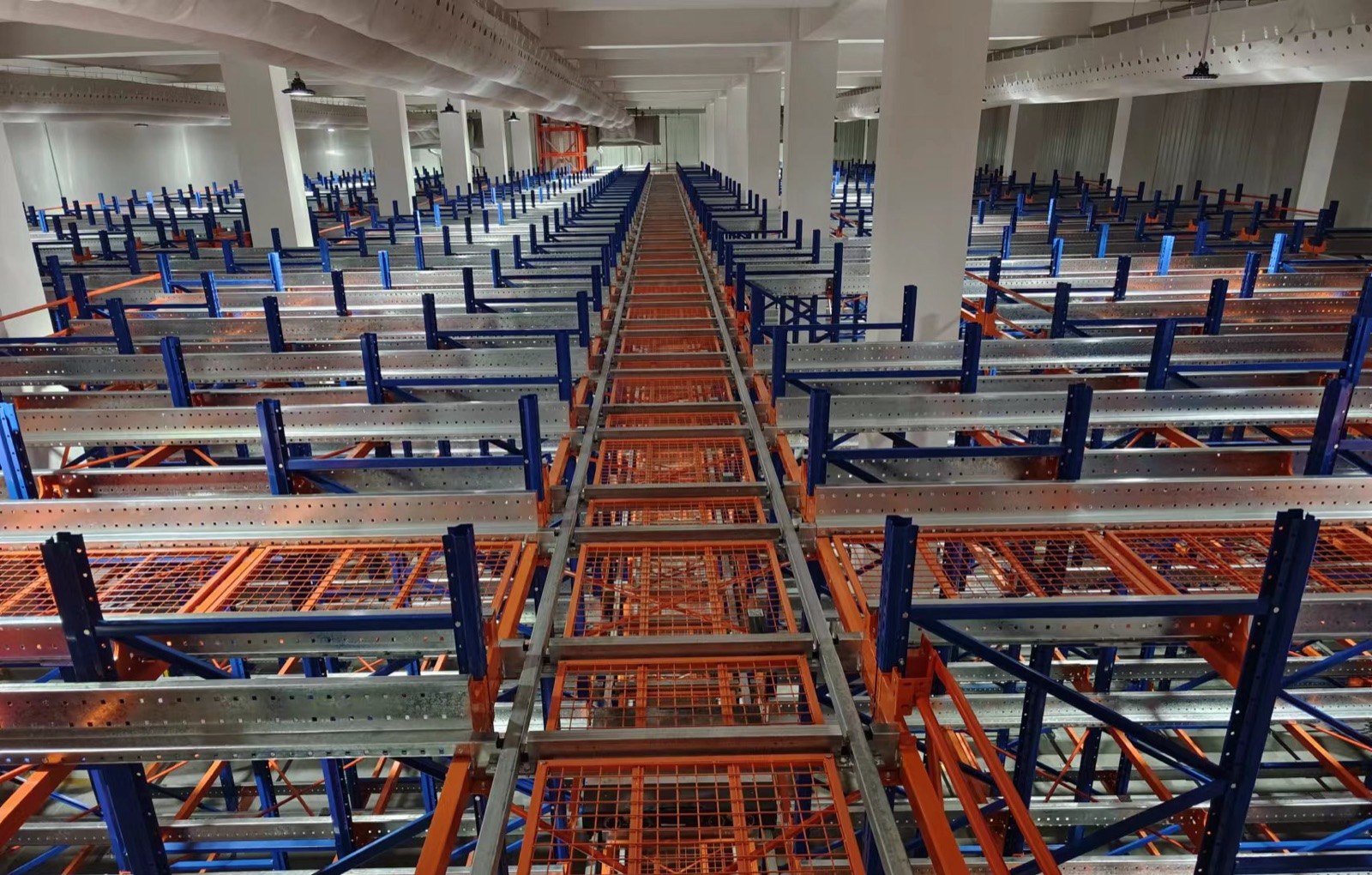
Four-way shuttle system for a Unilever distribution center in Brazil, delivered with Geek+: 25,000+ positions of dense automated storage. FMCG warehouses run high FIFO discipline and seasonal peaks; shuttle density lets the operator hold more SKU depth inside the same refrigerated and ambient footprint.
The project
Unilever's Brazilian distribution operation automated pallet storage with a Geek+ four-way shuttle system: 25,000+ positions of dense-lane racking manufactured and installed by JISE. FMCG distribution is the classic four-way shuttle use case — high pallet throughput, strict FIFO rotation, and expensive building volume that must be filled, not aired.
Compared with conventional forklift racking, the shuttle system stores the same inventory in a fraction of the footprint while keeping every pallet position machine-accessible.
What JISE delivered
Dense-lane four-way shuttle racking engineered to the shuttle supplier's interface data: precision lane rails, guide profiles and frame structures manufactured in Dongtai and installed by JISE crews in Brazil.
Lane depth and level geometry were configured to the FMCG pallet pattern and throughput model — deep lanes where SKU velocity allows, with rail tolerances to FEM 10.2.19 so shuttles sustain rated speed fully loaded.
Why density wins in FMCG
Food and home-care distribution carries hundreds of SKUs with hard rotation rules. Shuttle racking turns depth into an advantage: pallets queue in-lane in receipt order, the shuttle always takes the correct end, and inventory records stay clean because machines, not forklift judgement, do the put-away.
The Brazil project is part of JISE's four-way shuttle record across FMCG, cold chain and manufacturing logistics on four continents.
More cases.
Get a project quotation within 48 hours.
Send us your warehouse dimensions, pallet spec and target location count — our engineers reply with a layout proposal and budgetary price.